Good Stories: A Cool Display Font for Creative Branding
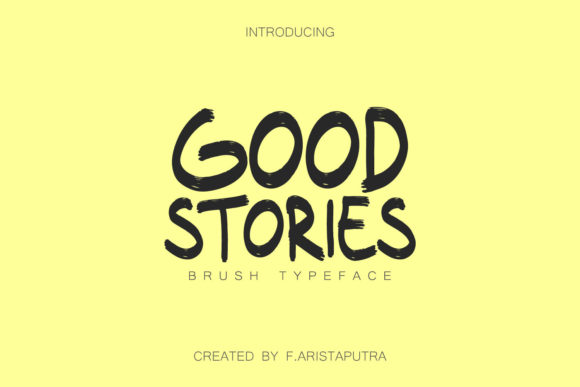
I was staring at my blank brand board, trying to find the right voice for a new client—a cozy café with a focus on local, organic coffee. The name they had in mind was simple but needed something special. That’s when I opened up the Good Stories font and immediately felt a spark. It wasn’t just any display font; it had this cool, brushed quality that hinted at warmth and approachability.
Good Stories is a display font that feels handcrafted yet refined. Its soft edges and subtle texture give it a tactile feel, almost like you could run your fingers over the letters. It carries a relaxed energy, which made me think of a morning cup of coffee—smooth, inviting, and just the right amount of character.
I started by testing it on a few logo drafts. The first version used a clean sans serif, but it didn’t quite capture the vibe we were going for. Then I tried Good Stories. It brought an unexpected charm, making the logo feel more personal and less corporate. The brushed strokes gave it a sense of authenticity that matched the café’s mission.
As I moved into brand identity mockups, I found that Good Stories worked well as a headline font. It stood out without being overwhelming. For packaging design, I used it on the front of a coffee bag, pairing it with a minimalist sans serif for the supporting text. The contrast helped guide the eye naturally from the main title to the details like brewing instructions and origin story.
On social media graphics, I placed Good Stories on Instagram posts and Facebook ads. It looked great on hero sections of the website, especially when paired with a modern sans serif for body copy. The combination kept things visually balanced while still giving the brand a unique personality.
One thing I noticed early on was how well Good Stories performed on printed materials. On business cards, it didn’t feel too small or cramped. On large shop signs, it held its shape and readability even from a distance. This versatility made me consider using it across multiple touchpoints—menu boards, labels, and even merchandise like mugs and tote bags.
When it comes to font pairing, I found that Good Stories complemented both serif and sans serif fonts. For a more traditional look, I paired it with a classic serif for headings and subheadings. For a contemporary feel, I used it with a sleek sans serif for body text. Either way, it added a layer of interest without clashing.
It’s important to test a font like Good Stories before committing to it for a full brand system. I created a few variations of the same logo with different fonts and presented them to the client. They instantly gravitated toward the one with Good Stories. It wasn’t just about aesthetics—it felt like it aligned with their values and the experience they wanted to create for customers.
For clients who are looking for a font that can work across various mediums, Good Stories offers a lot of flexibility. Whether it’s for a short-form text like a tagline or a longer section of editorial design, it maintains its visual appeal. Its brushed style adds a bit of texture without distracting from the message.
Another thing to consider is the file formats and licensing. Since Good Stories is a commercial font, I made sure to check that it came with proper licenses for web and print use. This ensured that the client wouldn’t face any issues when implementing the font across their digital and physical assets.
In the end, Good Stories became the cornerstone of the café’s brand identity. It showed up on everything from the logo to the packaging, social media, and even the café’s website. It wasn’t just a font—it became part of the storytelling that the brand wanted to share with its audience.
If you're working on a project that needs a display font with character, Good Stories might be the one to try. It has the right balance of style and practicality, making it suitable for a wide range of creative applications. Just remember to test it in context and pair it thoughtfully with other typefaces to ensure a cohesive design system.