Bonneville Font for Bold Brand Campaigns
It was 3:00 AM and the deadline was looming. I had a product launch graphic to finalize, and the headline just wasn’t cutting it. The previous font felt too safe, too generic—like it belonged on a spreadsheet rather than a campaign banner. That’s when I decided to test Bonneville, a vintage-inspired display font with a fierce edge. Within minutes, the design transformed. The words "Limited Edition" suddenly had weight, character, and a story to tell.
A Vintage Edge with Modern Impact
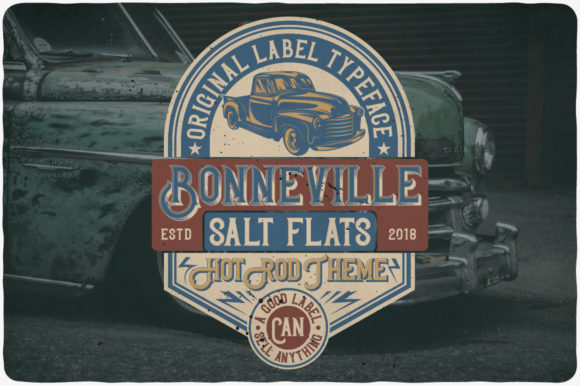
Bonneville is more than just a font—it's a visual statement. Its bold strokes and vintage-style serifs give it a nostalgic feel, but the clean lines and modern structure make it surprisingly versatile. It carries a mood that’s both timeless and edgy, making it perfect for campaigns that want to blend classic charm with contemporary flair.
This typeface has a personality that commands attention. It’s not just about looking good; it’s about feeling right. Whether you're launching a seasonal sale or promoting a new course, Bonneville adds a layer of confidence and creativity that can elevate your message from ordinary to unforgettable.
Putting Bonneville to Work in Real Campaigns
I tested Bonneville across several campaign formats to see how it performed. On Instagram posts, it worked wonders as a headline for a limited-time offer. The vintage look matched the retro aesthetic of the visuals, creating a cohesive brand moment. For YouTube thumbnails, it stood out even in small previews, ensuring the title was legible and eye-catching at a glance.
In digital ad layouts, I paired Bonneville with a clean sans-serif font for body copy. This contrast helped guide the viewer’s eye from the bold headline to the supporting text without overwhelming the design. The result was a balanced layout that felt intentional and professional.
For Pinterest pins, where visual hierarchy is key, Bonneville shone as a decorative title. It added a touch of elegance to DIY tutorials and fashion inspiration boards, helping them stand out in a sea of content.
Readability and Practicality in Different Formats
One concern I had was whether Bonneville would be readable on mobile screens and in fast-scrolling feeds. After testing, I found that while it’s best used for short headlines and callouts, it maintains clarity even at smaller sizes. However, it’s not ideal for long blocks of text or dense information. Its strength lies in being a display font—meant to grab attention, not to carry entire paragraphs.
When using it on dark backgrounds, I noticed that the contrast was strong enough to keep the text visible, though some adjustments to color and spacing were needed for optimal readability. Light backgrounds also worked well, especially when paired with a complementary font for secondary text.
Font Pairing and Design Flexibility
Pairing Bonneville with a clean sans-serif like Helvetica or a modern serif like Playfair Display created a nice balance between old and new. This combination gave the designs a polished look while keeping the vintage vibe intact. For a more casual feel, I experimented with pairing it with a handwritten script font, which added a personal touch to promotional emails and social media quotes.
The font includes several weights and alternates, giving designers flexibility to adjust tone and emphasis within a single campaign. I particularly liked using the lighter version for subheadings and the bolder weight for main titles. This subtle variation helped create a visual rhythm that guided the viewer through the content naturally.
What Works and What Doesn’t
Bonneville excels in short, impactful messages. It’s perfect for headlines, taglines, callouts, and logo-style text. However, it may not be the best choice for long-form content, tiny text, or formal corporate communication unless the brand’s identity aligns with its vintage and bold style.
Before using Bonneville in client projects, it’s important to check the included styles, ligatures, and multilingual support. Also, ensure that the commercial font license allows usage in ads, templates, merchandise, and digital products. These details are crucial for avoiding legal issues down the line.
Overall, Bonneville is a powerful tool for marketers and designers who want to inject character into their campaigns. Its unique style can help build brand recognition, improve message clarity, and boost audience engagement—without sacrificing professionalism or visual appeal.